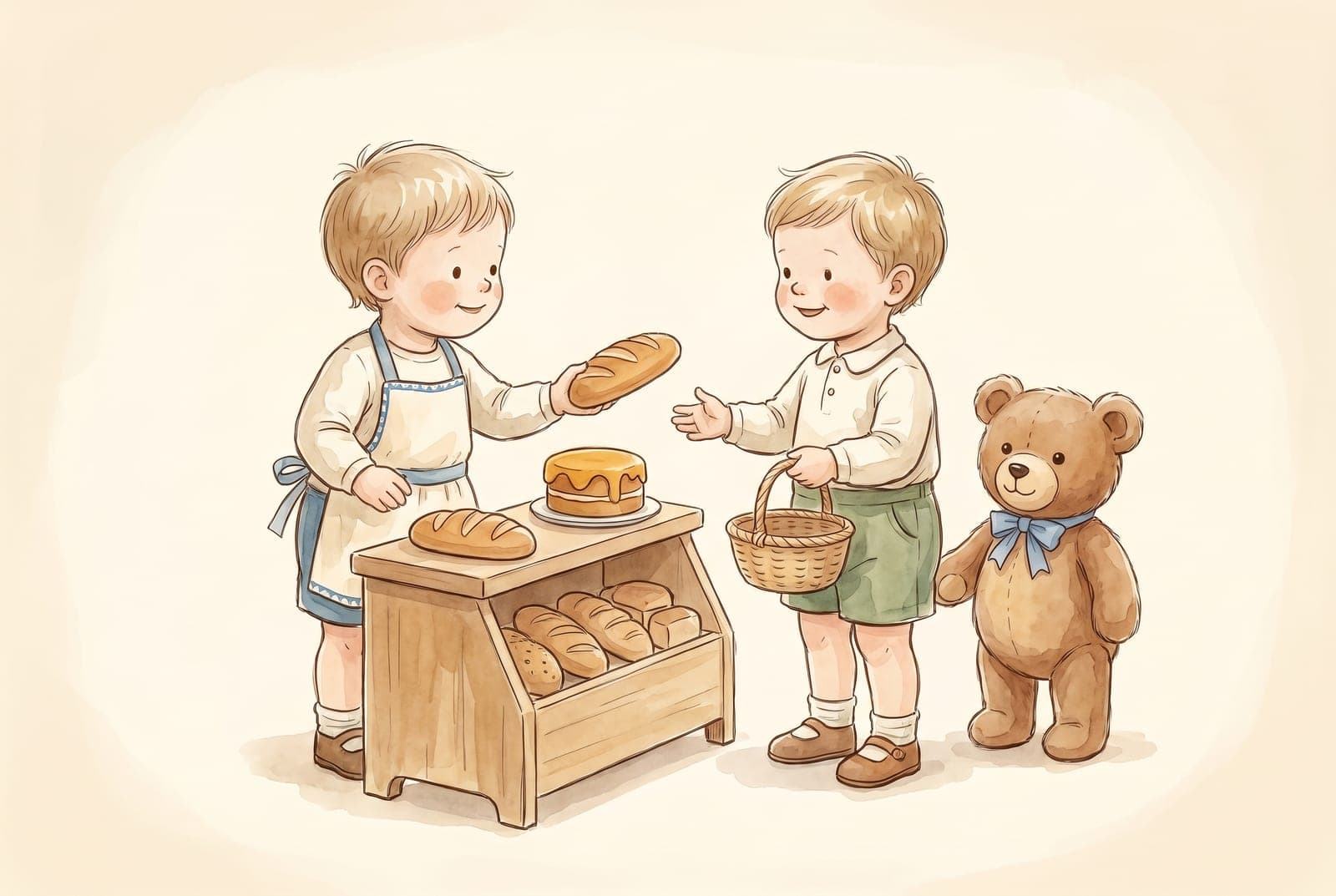
At 3, play gets social and gets a plot. A 3-year-old joins other kids at the playground, draws a circle when you show them how, and can spend a surprising amount of time running a pretend bakery. This guide covers the toy types that fit this year, what to skip, and how to check what's already at home before you buy.
What 3-year-olds are working on
The CDC lists milestones that at least 75% of children reach by a given age. By 3 years, most:
- notice other children and join them to play
- talk with you in a conversation with at least two back-and-forth exchanges
- draw a circle when you show them how
- string items together, like large beads or macaroni
- put on some clothes by themselves, like loose pants or a jacket
By 4, most pretend to be something else during play: a teacher, a superhero, a dog. Three is the year that kind of pretending builds up.
Toy types that get played with
Pretend play sets and dress-up
A play kitchen with food and dishes, a doctor kit, a toolbox, a shop with a pretend cash register, a few costumes or just hats, capes, and scarves. The AAP describes pretend toys (dolls, animals, food, utensils, vehicles, buildings) as the way children learn to use words and stories to describe and cope with real life. If your child already has a kitchen, a new "theme" like a doctor kit or a post office box adds more than a second kitchen would.
Building sets
Wooden blocks, larger interlocking bricks, magnetic tiles designed for kids, simple building sets with a few wheels. The AAP's toy report connects block and puzzle play to fine motor, language, and early math skills. Building sets are also among the few toys that suit a 3-year-old and a 5-year-old at the same time.
Lacing, threading, and small-hand work
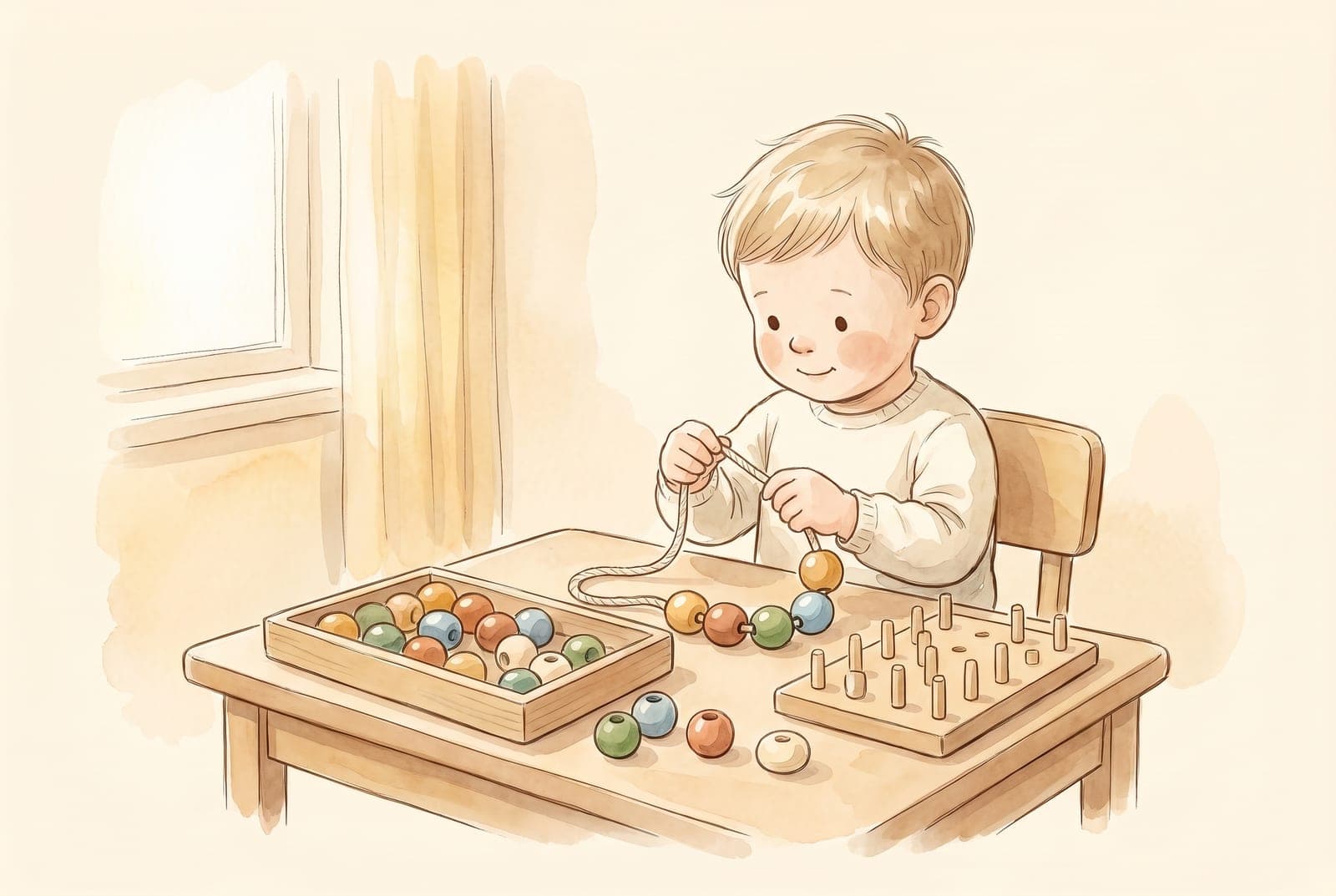
Stringing items together is one of the CDC's 3-year milestones. Try large lacing beads or lacing cards. Pegboards and sorting cups with tongs are other options for small-hand play.
An art box
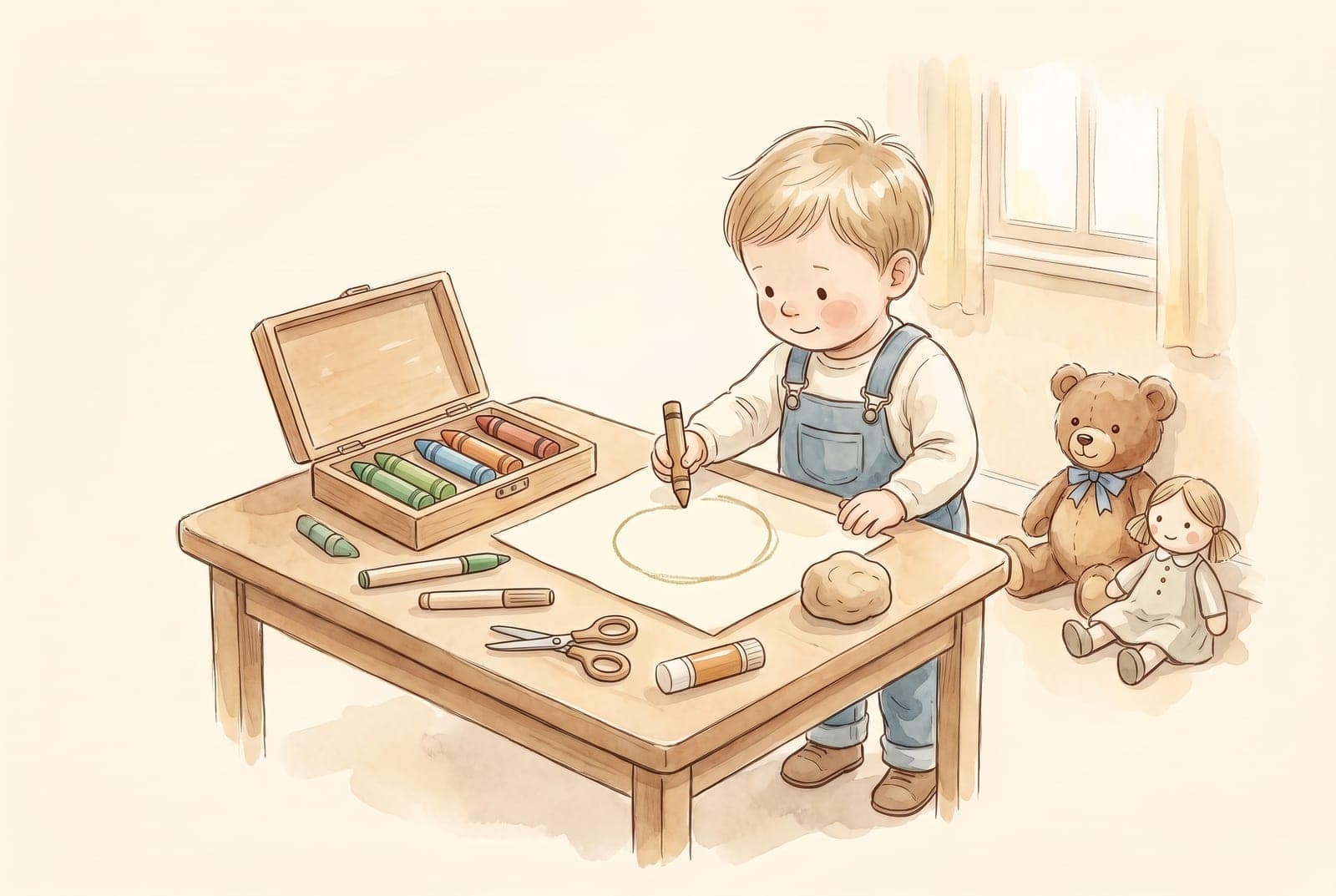
Crayons, washable markers, child-size scissors, glue sticks, stickers, playdough, and a stack of paper in one box. The CDC suggests giving a 3-year-old an "activity box" with paper, crayons, and coloring books, and drawing lines and shapes together. Art supplies get used up, so they're a safe gift even if the shelf is full.
Puzzles
The AAP lists puzzles with blocks and shapes as the "traditional favorites" for problem-solving. Floor puzzles and simple matching games work well; pick a piece count your child can finish with a little help.
Something to ride
Three is a good age for a first tricycle, balance bike, or preschool scooter. The AAP groups tricycles and ride-ons with balls as gross motor toys that help physical development and play with other kids.
Books with a story
Picture books with a plot, books about feelings, books about things they're going through (a new sibling, a first day at preschool). Asking "who," "what," "where," and "why" questions is a CDC 3-year milestone. Books give those questions somewhere to go.
What to skip
"Educational" tablets and apps
The AAP's toy report found no evidence that digital or "educational" interactive toys match hands-on and pretend play with traditional toys. As a gift, a hands-on toy is the safer bet.
A second version of what they already love
A child who loves trains may get trains from three relatives at once. Check what's already there before adding more of the favorite.
A note on safety
Always check a toy's age label and safety warnings before you buy it, and follow the manufacturer's instructions. For current toy safety guidance and recalls, see the U.S. Consumer Product Safety Commission and the American Academy of Pediatrics. If you're unsure whether a toy suits your child, ask your pediatrician.
Before you buy, sort the shelf
Group what you have: pretend play, building, small-hand work, art, puzzles and games, ride-ons, books. Write down the groups that are thin. That's the list to send grandparents and anyone who asks.
Buying for a grandchild, niece, or nephew? Ask the parents to scan their toys with Toy Rotation App and share the link with you. You'll see what's already at home and which kinds of play are missing, and you can check it again before every birthday and holiday.
Gifts that aren't toys
A class they choose (dance, swimming, soccer, art), a membership to a children's museum or zoo, a library card and a special book bag, tickets to a children's show, or a "date" with a grandparent. An outing also takes up no space on the shelf.